For over a decade, the ritual of upgrading to a new iPhone involved a very specific tool: a small metal pin used to pop out a SIM tray. However, as we look toward the release of the iPhone 18, that physical ritual is rapidly becoming a thing of the past.
The transition from physical cards to digital-only connectivity is one of the most significant shifts in mobile technology. Based on how Apple has historically phased out legacy tech—like the headphone jack or the home button—the iPhone 18 represents a major milestone in creating a truly “seamless” device.
The Push for a Portless Future
The iPhone 18 is expected to push the boundaries of hardware design. In the tech industry, space inside a smartphone is the most valuable real estate there is. By removing the physical SIM tray, engineers can reclaim internal space for larger batteries, better cooling systems, or more advanced camera sensors.
From a practical experience standpoint, a phone without a SIM slot is also more durable. Every opening in a phone’s chassis is a potential entry point for water and dust. A solid-frame design naturally improves the longevity of the device, making it more resilient against the accidents of daily life.
Why the Global Expansion of eSIM Matters
In recent years, Apple has already moved to an eSIM-only model in the United States. With the iPhone 18, this trend is moving into more international regions. While some users might find the change intimidating, the benefits for the modern traveler and tech enthusiast are clear.
1. Instant Carrier Switching
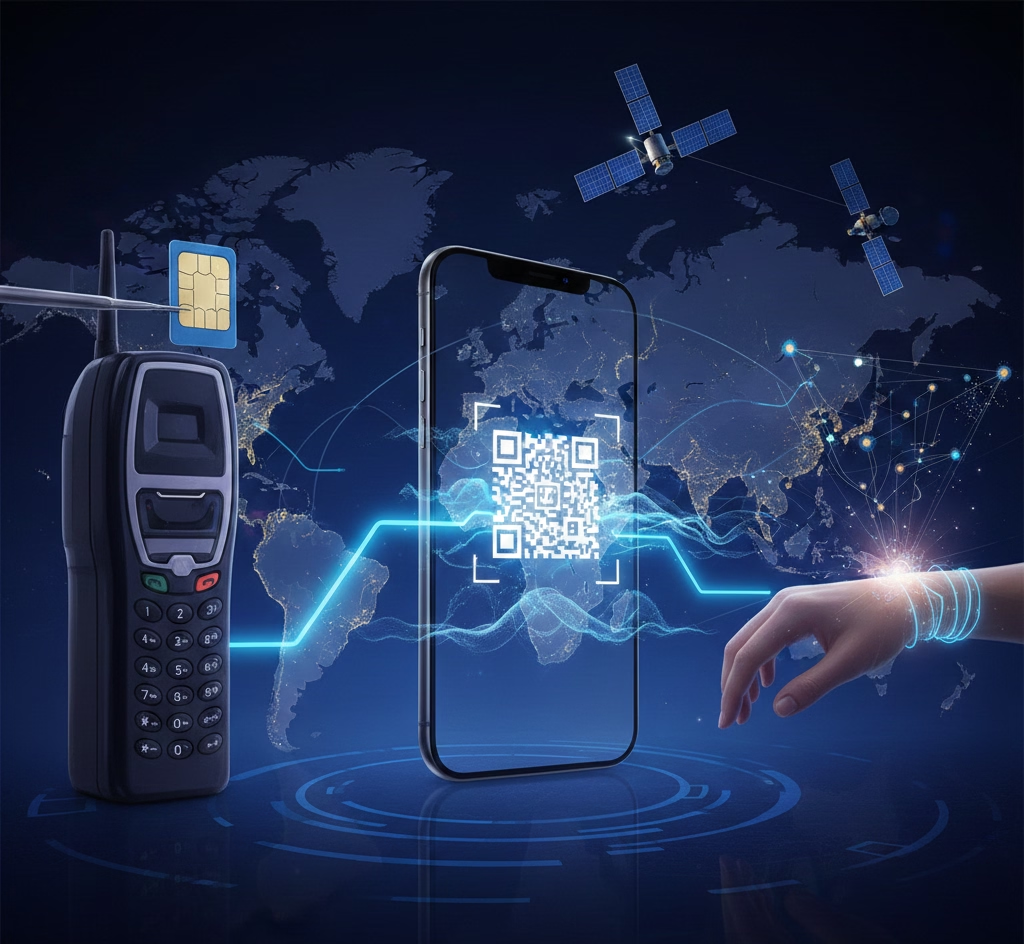
One of the most convenient aspects of eSIM technology is the ability to switch providers without waiting for a piece of plastic to arrive in the mail. If you find a better data plan, you can often activate it via a QR code or a carrier app almost instantly.
2. Security and Anti-Theft
In real-world use, eSIMs offer a layer of security that physical cards cannot match. If a phone is lost or stolen, a thief can easily pop out a physical SIM card to disconnect the device from the network. An eSIM is embedded in the hardware; it cannot be removed, making it much easier for the rightful owner to track the device via “Find My” services.
3. International Travel Made Simple
Frequent travelers often find themselves hunting for local kiosks at airports to buy a local SIM. With the iPhone 18’s focus on expanded eSIM support, users can download international data plans before they even land. You can keep your home number active for calls and texts while using a local digital plan for affordable data.
Challenges and the Transition Period
Despite the technical advantages, the transition isn’t without its hurdles. Many users notice that in certain regions, smaller carriers are still catching up to digital-only standards.
When you move to an eSIM-only device, you are reliant on your carrier’s digital infrastructure. From experience, the setup process is usually smooth, but it does require a stable Wi-Fi connection to activate the initial profile. As we approach the launch of the iPhone 18, we expect to see global carriers accelerating their digital transformations to meet this new hardware standard.
What Else Can We Anticipate?
While connectivity is a massive part of the conversation, the iPhone 18 will likely continue the trend of “intelligence-first” hardware. This means more powerful chips designed specifically to handle on-device AI tasks, such as real-time language translation and advanced photo editing.
The design philosophy is clear: Apple wants to remove the friction between the user and the technology. Whether it’s through the removal of physical ports or the integration of more powerful software, the goal is a device that feels like a single, solid piece of glass and metal.
Final Thoughts
The iPhone 18 isn’t just another yearly update; it is a signal of where the entire mobile industry is headed. Moving away from the physical SIM card is a logical step toward more secure, durable, and flexible communication.
For those who have used physical SIMs for twenty years, the change might feel sudden. However, once you experience the convenience of managing your cellular plans directly from your settings menu, it’s hard to imagine going back to those tiny pieces of plastic. The future of the iPhone is digital, and it’s arriving faster than many expected.