The gaming industry has undergone a massive shift over the last few years. While high-octane shooters and competitive battle royales still hold a significant share of the market, there is a growing hunger for something deeper. Players are no longer just looking for a way to pass twenty minutes; they are looking for worlds to inhabit. As we navigate the slate of games 2026 has to offer, it is clear that the “Adventure” genre has evolved into a sophisticated medium for storytelling that rivals prestige television and cinema.
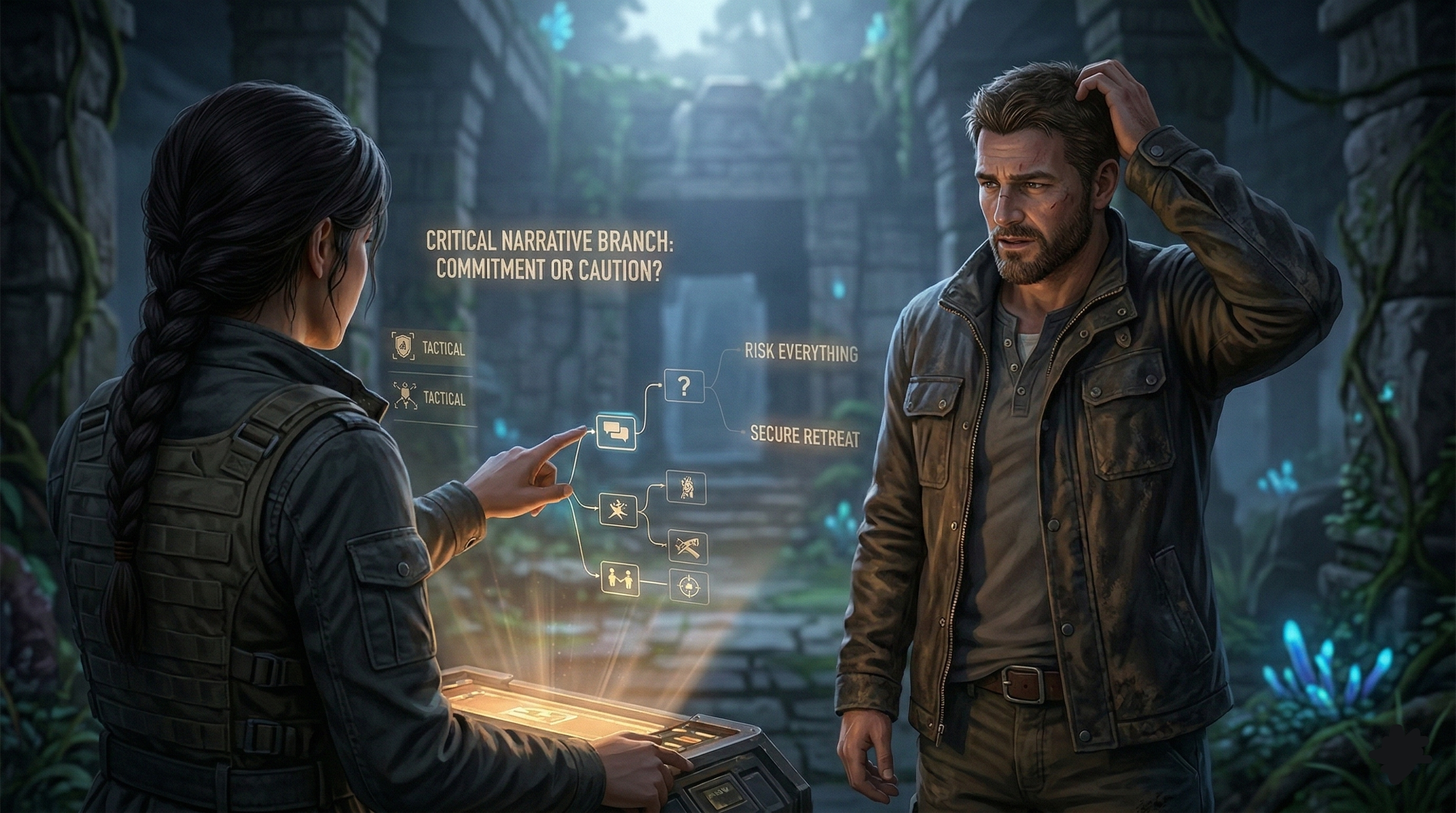
In real-world use, we’ve seen that the most memorable gaming experiences aren’t necessarily the ones with the fastest frame rates or the most complex mechanics. Instead, they are the ones that make us pause and think about the choices we’ve made. Whether you are a veteran player or someone looking to pick up a controller for the first time, understanding the current state of adventure games is key to finding your next digital obsession.
The Evolution of the Narrative Adventure
Traditionally, an “adventure game” meant solving inventory puzzles or clicking on static backgrounds. However, by 2026, the definition has expanded. Today, these games focus on “environmental storytelling”—the art of telling a story through the world itself rather than just through cutscenes.
Many users notice that in modern top games, you can learn more about a character by looking at the items on their bedside table than by listening to their dialogue. This shift toward “show, don’t tell” has made the genre more accessible and far more immersive. From practical experience, this immersion is what separates a good game from a must play masterpiece.
The Rise of Emotional Intelligence in AI
One of the biggest technological leaps in games 2026 is the integration of more reactive Non-Playable Characters (NPCs). In the past, NPCs felt like robots waiting for their cue. Now, thanks to improved processing power and better narrative design, the characters you meet in your travels react to your playstyle in subtle ways. If you play aggressively, the townspeople might treat you with suspicion; if you are helpful, doors might open that would otherwise remain closed.
Why Story-Driven Games Are the “Must Play” Choice This Year
There is a specific kind of “gaming fatigue” that comes from repetitive online matches. This is where story-driven adventure games shine. They offer a definitive beginning, middle, and end. In an era of endless “live service” games that demand your attention every single day, a well-contained story feels like a luxury.
Mental Escape and Empathy
From practical experience, playing a narrative-heavy game is a form of active empathy. You aren’t just watching a protagonist; you are the protagonist. When a game forces you to make a difficult moral choice, it triggers a different part of the brain than a simple test of reflexes. This emotional weight is exactly why these titles consistently rank as top games in player surveys and critics’ choice awards.
Key Trends Defining Adventure Games 2026
If you are looking at the upcoming releases, several trends stand out that define the current era. These aren’t just marketing buzzwords; they are fundamental changes in how games are built.
1. Seamless Open Worlds
Gone are the days of “loading screens” every time you enter a building. The games 2026 lineup utilizes advanced SSD technology to create worlds that feel continuous. This lack of friction keeps the player in the “flow state,” making the story feel more like a lived experience and less like a series of levels.
2. Meaningful Player Agency
We’ve moved past the “illusion of choice.” In older titles, you might choose between a “good” or “bad” dialogue option, but the ending remained the same. The top games of this year are implementing “branching paths” that truly matter. Your decisions can lead to the survival or demise of entire factions, meaning no two players will have the exact same story to tell.
3. Hyper-Realistic Audio Design
Often overlooked, sound is half of the immersion. In the latest adventure games, developers are using spatial audio to tell stories. You might hear a whispered conversation through a thin wall or the distant sound of a struggle that leads you to a secret side quest.
How to Choose Your Next Adventure
With so many options available, it can be overwhelming to decide where to invest your time. Here is a step-by-step guide to finding a game that resonates with you:
- Identify Your Preferred Pace: Do you want a “walking simulator” that focuses entirely on atmosphere and mystery, or do you want an action-adventure that balances story with challenging combat?
- Check the Length: Some of the best must play titles are short, 5-hour experiences that pack an emotional punch. Others are 100-hour epics. Be honest about how much time you can realistically commit.
- Research the Developer: In the world of adventure games, the studio’s pedigree matters. Look for teams known for their writing and world-building rather than just their graphical prowess.
The Social Aspect of Single-Player Games
It sounds like a contradiction, but story-driven games have become incredibly social. Many users notice that the “community” around a single-player game is often more vibrant and positive than that of a competitive game. Players gather on forums and social media to discuss lore theories, share screenshots of beautiful vistas, and debate the ethics of certain plot points. This shared discovery makes the top games of 2026 feel like a cultural event.
Logical Reasoning: Why Graphics Aren’t Everything
While we often praise the visual fidelity of games 2026, it is logically sound to argue that writing is the more important pillar. A game can have the best graphics in the world, but if the characters are shallow, you will lose interest within two hours. Conversely, some of the most impactful adventure games use stylized, “low-fi,” or artistic visuals but have scripts that stay with you for years.
From practical experience, a strong art style ages much better than “photorealistic” graphics. As you browse the current market, don’t dismiss games that look unique or “indie.” Often, these are the titles that push the boundaries of what a story can be.
Final Thoughts: The Value of the Experience
As we look at the trajectory of the industry, it’s clear that the “adventure” is no longer a niche. It is the heart of gaming. The games 2026 is providing us with are more than just entertainment; they are digital archives of human emotion and creativity.
Whether you are exploring a post-apocalyptic wasteland, a neon-drenched cyberpunk city, or a quiet, rural mystery, the goal remains the same: to experience something new. The top games of this year succeed because they respect the player’s intelligence and their time.
In real-world use, these stories provide us with a much-needed break from the noise of the physical world. They allow us to be heroes, villains, and everything in between. So, the next time you see a title labeled as a must play, take the leap. You might just find a story that changes the way you look at the world.