

Breaking Down the Newest Android 17 Pre-Release: Performance, Stability, and the Pixel Experience
When you pick up your phone every morning, you expect it to just work. You want your apps to open instantly, your battery to last through the evening, and your screen navigation to feel effortlessly smooth. This seamless daily experience doesn’t happen by accident. It is the result of months of rigorous software testing, code tweaking, and under-the-hood refinement. Right now, the tech world is shifting its focus to the next major android version, and the public testing phase is in full swing.
Recently, Google opened the doors to a brand-new stage of testing for android 17, moving past the initial messy development phases into something much more polished. If you own a google pixel, you might be wondering what this new software brings to the table and whether it makes sense to jump into the testing pool early. Let’s break down exactly what is happening behind the scenes, how it impacts everyday usability, and what you can expect as we inch closer to the official launch later this year.
Understanding the Testing Cycle and QPR Updates
To truly understand what is happening right now with the software on your device, we first have to look at how developers build a new operating system from scratch. In the early days of a new android version, software engineers throw a lot of wild, experimental features at the wall to see what sticks. During those early months, the software can be terribly buggy, menus might look misaligned, and battery life is usually incredibly unpredictable.
However, as the summer wraps up and we get closer to the expected autumn release window, the strategy completely changes. Google starts releasing what they call QPRs—Quarterly Platform Releases. While that sounds like a bunch of dry corporate jargon, it actually represents a very important shift in how the software feels. A QPR update means the development team is mostly done adding flashy new bells and whistles. Instead, they grab their toolboxes and start tightening the screws.
From practical experience, these are the updates that actually matter the most for daily comfort. A fresh coat of digital paint on your home screen is nice, but if the phone stutters every time you open the camera app, that new paint job doesn’t mean much. The current beta phase is all about creating a rock-solid foundation for the future.
What Is Actually Changing Inside the Phone?
If you decide to install this early version of android 17, you might reboot your phone, stare at the home screen, and think, “Nothing changed at all.” And honestly, that is exactly the point. The heavy lifting in this particular update is happening deep inside the system code, far away from the visible user interface.
Smarter Memory Management One of the biggest focus areas right now is how the software handles device memory. Think of your phone’s memory like a physical office desk. If you have too many papers scattered everywhere, you simply can’t work efficiently. When your phone has poor memory management, it struggles to keep multiple applications open in the background. In real-world use, poor memory handling means you might be listening to a podcast, open a heavy mobile game, and suddenly your podcast app gets forcefully closed by the system to free up digital space. The newest tweaks to android 17 are designed to organize that virtual “desk” much better, ensuring that background apps behave themselves and stay ready when you need them, all without aggressively draining your battery.
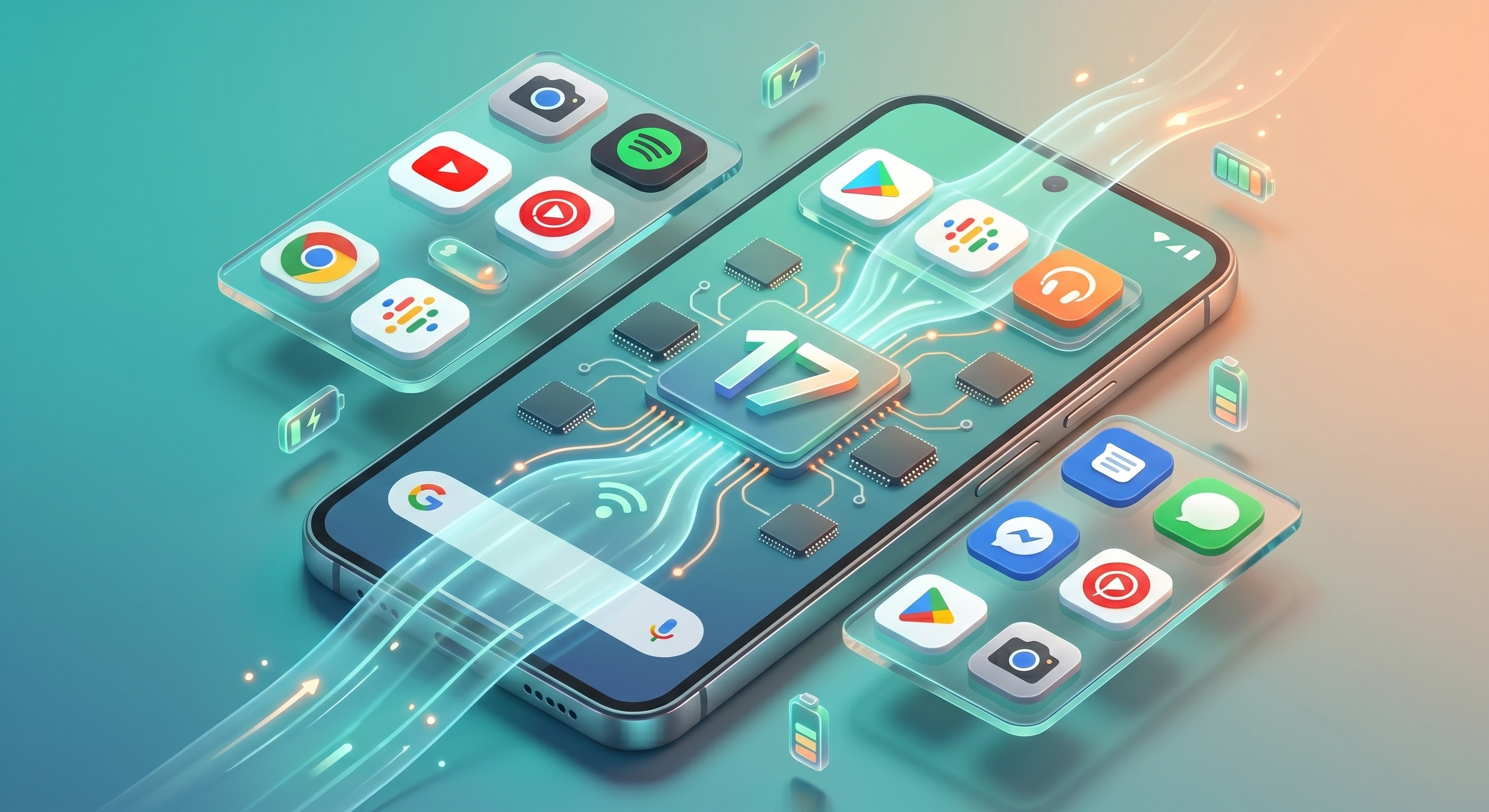
Refining System Responsiveness Another major focus is overall system responsiveness. Many users notice that smartphones can start to feel a little sluggish or hesitant over time. The developers are actively squashing the tiny bugs that cause these annoying micro-stutters. Whether you are swiping down quickly to check your morning notifications, or jumping back and forth between a YouTube video and your text messages, the ultimate goal is to make those screen animations feel perfectly fluid.
Device Compatibility: Breathing Life into Older Hardware
Whenever a massive software update rolls out, the very first question people ask is, “Will my phone actually get it?” The great news for the ecosystem is that Google is maintaining software support for a surprisingly wide range of devices.
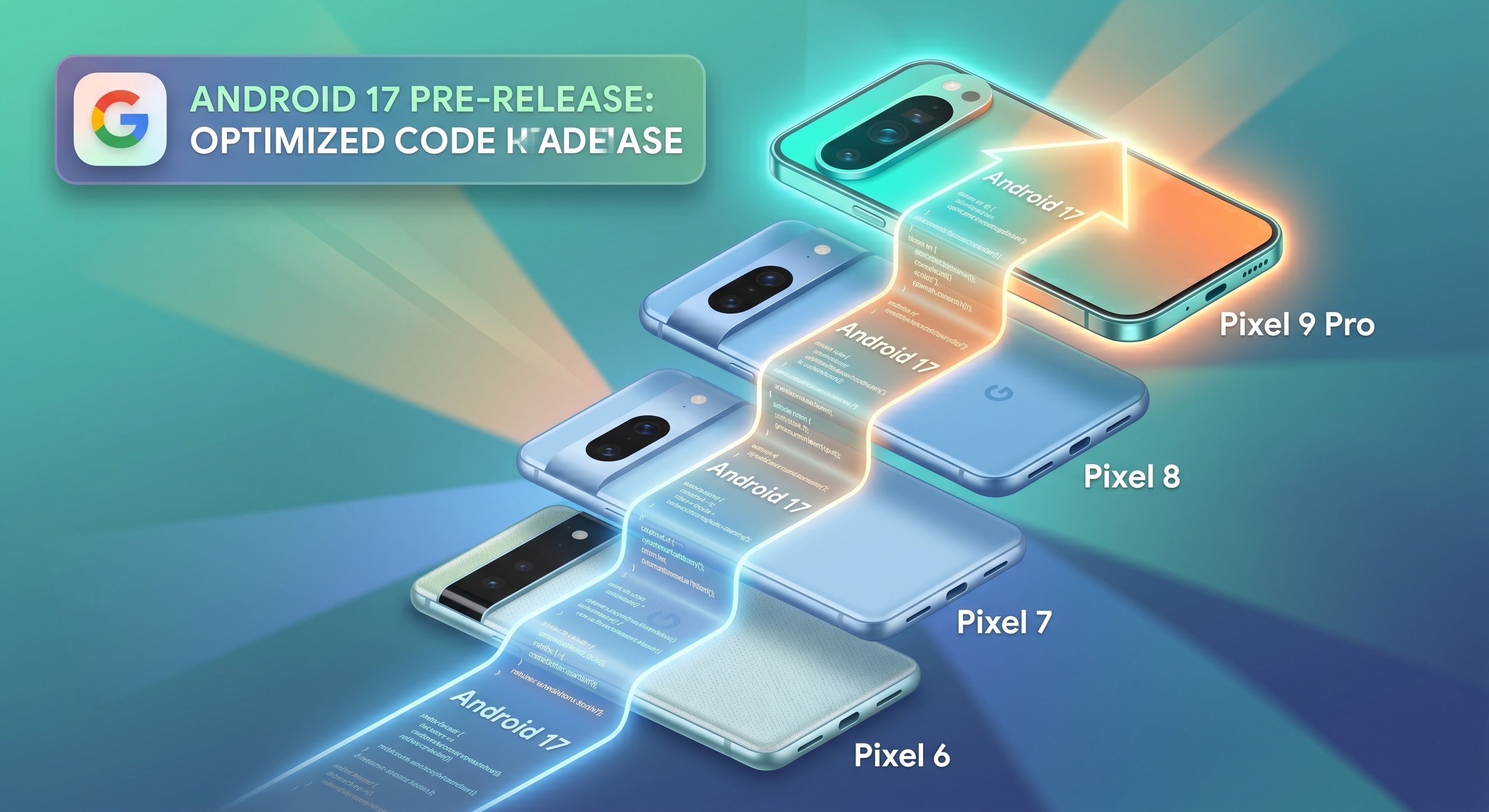
The current testing phase is available for older hardware starting from the Pixel 6 series, running all the way up through the absolute latest google pixel releases. This broad software support window is incredibly important for a few distinct reasons.
First, it deeply rewards customer loyalty. Keeping a phone active, fast, and secure for several years is much better for the user’s wallet and significantly better for the environment. Second, testing the newest software on older hardware actively forces developers to make their code highly efficient. The Pixel 6 has an older processor compared to the newest flagship models. If the engineering team can make the new android version run buttery smooth on a processor from a few years ago, it practically guarantees that the newest, most powerful phones will fly through daily tasks effortlessly.
Is Pre-Release Software Safe for Daily Use?
Years ago, experienced tech enthusiasts would strongly warn everyday users to stay far away from beta software. It was a highly risky game. You might install a cool new update only to find out that your mobile banking app suddenly crashes on launch, or worse, your phone temporarily loses the ability to make phone calls.
Today, the software landscape is very different. Because this specific update is part of the later QPR cycle, the overall system stability is surprisingly high. The developers themselves have noted that this software is generally stable enough for daily, regular use.
Many users notice that they can install these later-stage beta builds on their primary smartphone and go about their normal week without any major hiccups. Of course, because it is technically still unfinished software, you might occasionally run into a minor glitch—maybe a third-party app takes an extra second to load, or a settings menu looks slightly out of place. But the dark days of system-breaking bugs at this stage of testing are largely behind us. It is a fantastic way for curious users to get a sneak peek at the future without risking their digital livelihood.
The Best Feature: A Fear-Free Exit Strategy
Perhaps the most consumer-friendly change made to the public beta program recently is how easy it is to leave. Historically, if you tested early software and decided it wasn’t for you, rolling back to the normal, stable version meant completely wiping your phone clean. You would lose your downloaded photos, your text message history, and your personalized app setups unless you had managed a perfect cloud backup. It was a massive, time-consuming headache.
Now, the system is much more forgiving. If you are currently testing the android 17 beta, there are specific windows of opportunity where you can opt out of the testing program without losing a single piece of personal data. By unrolling your device at the right time, the system will simply transition you back to the public, stable software track during the next standard update cycle.
From practical experience, this changes the whole dynamic of software testing. It completely removes the fear factor. If you want to help test the software and report bugs to make the final release better for everyone, you can do so with the absolute peace of mind that you aren’t permanently trapped on an unstable testing track.
Why App Developers Care About This Phase
It isn’t just everyday smartphone users who benefit from this highly stable testing period. Independent software developers rely heavily on these QPR beta stages to prepare their products for the future. Whenever a major operating system update drops, there is always a lingering risk that third-party applications will suddenly break. A custom camera app might lose its access to the microphone, or a popular mobile game might start rendering its graphics incorrectly due to new system rules.
During this phase, developers download the beta onto their dedicated test devices and run their applications through intense quality control. Because the underlying code of the new operating system is no longer shifting wildly from week to week, developers finally have a reliable target to aim for. They can quietly update their apps in the background, submit them to the app store, and ensure that on launch day, everything works flawlessly for the end consumer.
How to Get Involved
If reading about these performance tweaks and system optimizations has you curious, joining the testing phase is much easier than you might think. You don’t need to be a professional software developer or know how to write a single line of code.

Everything is handled directly through a simple web portal. Users just navigate to the official Android Beta Program website, log in securely with their Google account, and look for their eligible google pixel device on the provided list. With a single click, you can enroll the phone.
Once enrolled, the real magic happens over the air. You simply open your phone’s standard settings menu, check for a system update, and the new beta software will download and install exactly like a normal monthly security patch. There are no complicated cables or special software programs required on your computer. It is a seamless, user-friendly process perfectly designed to get as many regular people testing the system as possible.
Setting the Stage for the Fall Release
As we move closer to the end of the year, the development team is in full polish mode. The upcoming weeks will likely bring a few more minor updates to this beta track, focusing heavily on developer feedback and everyday user bug reports.
The shift towards this final stabilization phase means the hardest work is mostly finished. The core features are fully locked in, the visual identity is firmly established, and now it is simply about making everything feel perfect in the hand.
Whenever the final, public version of the software eventually rolls out to millions of devices worldwide, it will be thanks to this current phase of rigorous testing. By heavily prioritizing under-the-hood performance, smarter battery management, and an incredibly stable daily experience, the upcoming transition to the new OS promises to be one of the smoothest we have seen in years. Whether you decide to jump into the beta today or wait patiently for the final release, there is certainly a lot to look forward to in the mobile space.